Compare Local Contractors for Industrial Remodeling Projects
Compare local contractors for industrial remodeling to define scope, verify experience, and set clear expectations, ensuring a successful project aligned with property owner goals.
Industrial remodeling projects typically encompass a wide range of work aimed at updating or repurposing existing industrial spaces. This can include modifications to structural elements, such as walls and ceilings, as well as updates to electrical, plumbing, and HVAC systems to meet current operational needs. Additionally, contractors may handle the installation of new flooring, lighting, and specialized equipment to improve functionality and safety. Properly defining the scope of work ensures that all necessary tasks are identified and addressed, helping property owners avoid overlooked details and ensuring the project meets specific operational requirements.
Establishing a clear scope of work is essential when working with industrial remodeling contractors. It provides a detailed outline of the tasks, materials, and standards expected for the project, which helps prevent misunderstandings and scope creep. A well-defined scope also facilitates accurate communication of expectations and creates a basis for comparing different service providers. By having a comprehensive understanding of what the project entails, property owners can better assess each contractor’s experience and approach, leading to more informed decisions and smoother project execution.
When evaluating local contractors for industrial remodeling, property owners should consider several practical factors. Verifying a contractor’s experience with similar projects can provide insight into their ability to handle the unique challenges of industrial spaces. Comparing the scope of services offered, along with the level of detail in their proposals, helps ensure consistency and clarity. It’s also beneficial to review references or past work to gauge reliability and quality. Ensuring that all aspects of the project are documented in writing, including scope, expectations, and responsibilities, supports transparency and helps establish a clear foundation for collaboration.
Compare local contractors by outlining project priorities, verifying experience, and setting clear expectations in writing.
- Define Project Scope - Clearly outline the work to be completed to ensure shared understanding with service providers.
- Verify Experience - Confirm that contractors have relevant experience in industrial remodeling projects.
- Compare Service Providers - Evaluate local contractors based on expertise, reputation, and project approach.
- Document Expectations - Put all project details, responsibilities, and deliverables in writing for clarity.

Before comparing contractors, clearly define your project scope and verify their experience to ensure effective communication.
- Verify experience in industrial remodeling projects similar in scope and complexity. - Ensure service providers have a proven track record handling industrial spaces and requirements.
- Define the scope of work clearly in writing to set expectations and prevent misunderstandings. - A detailed scope helps compare contractors and ensures all parties agree on project deliverables.
- Assess the contractor’s familiarity with industry standards and safety protocols relevant to industrial environments. - Experienced contractors understand compliance requirements and best practices for industrial settings.
- Request references or examples of completed industrial remodeling projects to evaluate quality and reliability. - Reviewing past work provides insight into the contractor’s capabilities and consistency.
- Confirm that the service provider can handle the specific technical and structural needs of industrial spaces. - Contractors should demonstrate expertise in handling specialized equipment, materials, or structural modifications.
- Ensure all project details, including scope, materials, and responsibilities, are documented in a formal agreement. - Written agreements help facilitate accurate comparisons and clear communication with local contractors.
Use this to compare contractors, clarify scope, verify experience, and set clear expectations in writing.

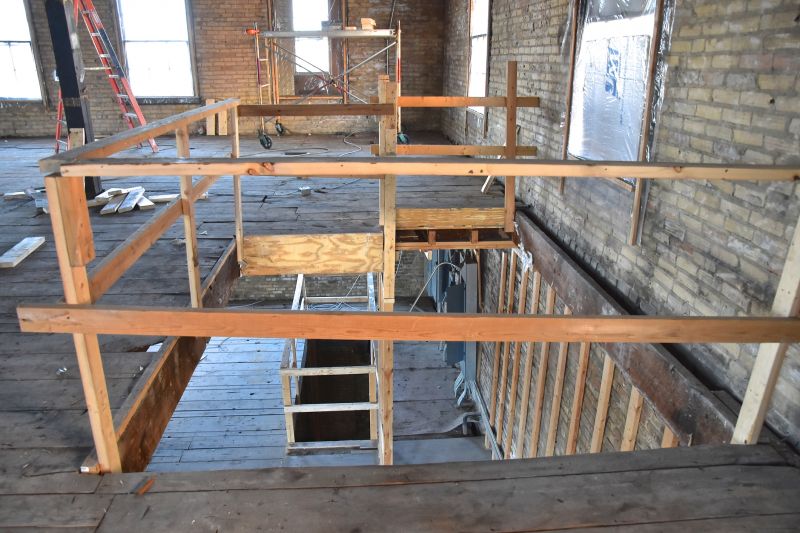


Use consistent comparison criteria to evaluate local contractors’ scope, experience, and written expectations for industrial remodeling.
- Define project scope - clearly outline the specific remodeling tasks and areas to be addressed in the industrial space.
- Assess experience and expertise - verify that local contractors have relevant experience with similar industrial remodeling projects.
- Establish project requirements - determine essential materials, equipment, and technical specifications needed for the remodel.
- Document expectations in writing - create detailed agreements that specify the scope, deliverables, and responsibilities for all parties.
- Compare contractor credentials and references - review the backgrounds and past project performance of local service providers to ensure reliability.
When evaluating contractors for industrial remodeling projects, it is important to consider their experience with similar types of work. Service providers who have a proven track record handling projects comparable in scope and complexity are more likely to understand the unique demands of industrial environments. Asking for examples of past projects or references can help gauge their familiarity with the specific challenges involved, such as working within large-scale facilities or adhering to safety standards relevant to industrial settings.
A clear, written scope of work is essential for establishing mutual understanding and setting expectations. A detailed description of the work to be performed, including materials, specifications, and key deliverables, helps prevent misunderstandings and provides a basis for evaluating progress. Service providers who can articulate the scope in writing demonstrate professionalism and transparency, making it easier to compare proposals and ensure that all aspects of the project are accounted for before work begins.
Verification of a contractor’s experience can be supported by checking references and reviewing their portfolio of completed projects. Contactting previous clients can provide insights into the contractor’s reliability, quality of work, and ability to adhere to project requirements. Additionally, reviewing project documentation or case studies can reveal their capacity to handle the specific demands of industrial remodeling, such as working within tight safety regulations or coordinating with multiple stakeholders.
When comparing options, it is helpful to evaluate how well each service provider understands the project scope and their approach to managing the work. Clarify how they plan to execute the project, including communication methods and project management strategies, to ensure alignment with expectations. Emphasizing written documentation and verifying experience through references and project history can aid in making an informed decision, ensuring that the chosen contractor is capable of delivering the desired results for industrial remodeling needs.
Ask contractors to provide written scope details to ensure clear expectations and consistent project understanding.
- Experience and Expertise - How do contractors demonstrate their experience with industrial remodeling projects similar to the scope needed?
- Scope Definition - What details should be included in the project scope to ensure clear expectations with local service providers?
- Comparison of Services - How can different contractors' service offerings and approaches be effectively compared?
- Project Management Approach - What methods do contractors use to organize and oversee industrial remodeling work?
- Communication and Documentation - How should scope and project expectations be documented to prevent misunderstandings?
How can I compare industrial remodeling contractors effectively? It's helpful to review their experience with similar projects, verify references, and ensure their scope of work aligns with project needs to find the right service providers.
What should I include when defining the scope of an industrial remodeling project? Clearly outline the specific tasks, materials, and desired outcomes to ensure contractors understand expectations and deliverables.
How do I verify a contractor's experience in industrial remodeling? Ask for examples of past projects, check references, and review any available portfolio or project summaries to assess their expertise.
What are important factors to consider when choosing a contractor for industrial remodeling? Consider their familiarity with industrial environments, ability to handle project complexity, and their communication practices to set clear expectations.
Why is it important to have a written agreement with a contractor? A written agreement helps establish project scope, responsibilities, and expectations, reducing misunderstandings and providing clarity throughout the process.
How can I ensure a contractor understands the project requirements? Communicate detailed specifications, ask for written confirmation of scope, and encourage the contractor to provide a comprehensive proposal outlining key deliverables.
Understanding the key factors involved in selecting contractors for industrial remodeling can help ensure the project meets your needs. Visitors learned how to compare local service providers, define the scope of work clearly, verify relevant experience, and establish expectations in writing to facilitate a smooth remodeling process. With this information, it becomes easier to identify qualified contractors who can handle the job effectively.
To explore options and find the right contractor for industrial remodeling, consider using the quote form to compare local service providers. This step offers a straightforward way to connect with experienced professionals who are prepared to discuss your project and provide the information needed to make an informed decision.